


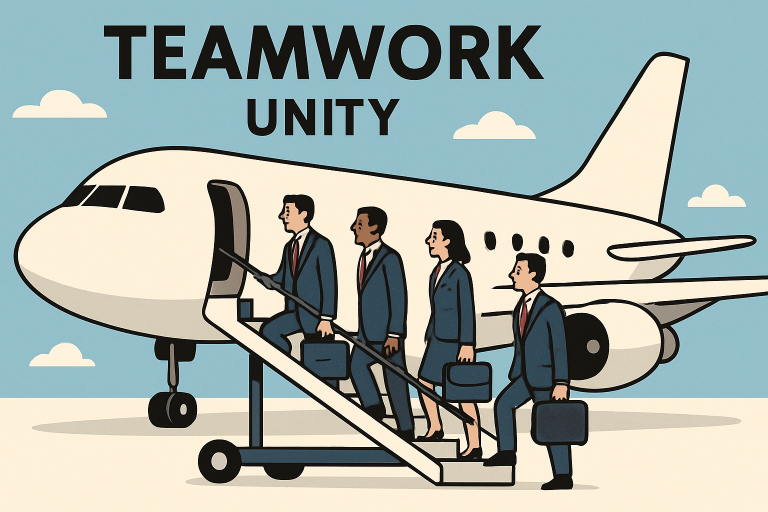
In today’s global business environment, organizations increasingly recognize the value of optimizing travel logistics. Whether sending a project team to a conference or coordinating an executive retreat, streamlined air travel can make all the difference. One of the most potent strategies now available is coordinating group aircraft charter flights, which provide modern organizations with unparalleled convenience, cost savings, and operational efficiency.
Group air travel has evolved to meet the complex demands of contemporary businesses, offering custom-tailored solutions that boost both productivity and employee satisfaction. This approach goes beyond just getting from point A to point B; it’s about fostering team unity, supporting sustainability initiatives, and maintaining a focus on security and time management throughout every journey.
Organizations that adopt group flight coordination are better equipped to manage fluctuating travel requirements, enhance overall workflow, and foster a sense of camaraderie among team members, ultimately supporting broader organizational goals and a competitive advantage in the marketplace.
Alongside logistical advantages, group bookings offer opportunities for creative collaboration even before arriving at the destination. From private meetings in the sky to informal brainstorming sessions, shared travel environments inspire productivity and strengthen working relationships.
Enhanced Safety and Security
Traveling with a group significantly increases safety for all team members. When people travel together, there’s a greater sense of collective responsibility, which helps ensure everyone’s needs are attended to and potential travel risks are minimized. Communication is simplified, as leaders or coordinators can relay key safety information to the group at once, ensuring compliance with protocols and quickly handling emergencies if they arise. This collaborative focus on wellbeing reduces stress and helps teams stay vigilant while navigating busy airports, international borders, or unfamiliar destinations.
Team Bonding and Collaboration
Group air travel also presents an invaluable opportunity for colleagues to connect in new and meaningful ways. Experiencing the journey together—whether in a dedicated cabin or private charter—cultivates camaraderie and deepens working relationships. Informal discussions and relaxed socialization during flights create fertile grounds for brainstorming new ideas or aligning on project goals. Research from Harvard Business Review highlights the importance of informal interactions in fostering innovation, making group travel a hidden asset for team development.
Cost-Effectiveness
One of the primary reasons organizations opt for group air travel is the potential for substantial cost savings. Bulk travel bookings allow businesses to access preferential rates, group discounts, and exclusive offers that are not available to individual travelers. Additionally, shared airport transfers and ground transportation further drive down total trip costs. These savings can be particularly impactful for organizations with frequent travel needs or limited budgets, enabling the redirection of resources toward their primary business objectives.
Customized Travel Experiences
Today’s group travel solutions go far beyond standard airline services. Chartering enables businesses to choose their preferred flight times, create custom menus, and even incorporate their branding into the journey. These personalized itineraries not only simplify logistics but also make travel more comfortable and aligned with company values. Optional amenities such as private meeting spaces onboard or tailored wellness programs can further enhance the in-flight experience, making business travel both productive and enjoyable.
Sustainability and Environmental Impact
Group travel benefits the environment by consolidating the number of flights and vehicles needed to transport employees, thus lowering the overall carbon footprint. Conscious businesses are increasingly prioritizing sustainability in every aspect of operations, including travel. The New York Times recently discussed how businesses are integrating eco-friendly practices into their travel policies, with group air travel ranking high as an effective way to reduce emissions per capita. By demonstrating a commitment to environmental stewardship, companies can appeal to eco-conscious clients and stakeholders.
Flexibility and Convenience
Coordinating travel for a group offers organizations enhanced control over scheduling, routing, and overall logistics. Unlike standard commercial bookings, group arrangements enable customizable flight plans that can accommodate sudden changes in business priorities or urgent requests. This flexibility ensures that teams can adjust itineraries without causing significant delays, keeping projects and workflows on track. By minimizing disruptions and providing options for last-minute modifications, group travel planning supports operational efficiency, reduces stress for employees, and allows organizations to maintain productivity while navigating the complexities of business trips in a dynamic and fast-paced environment.
Improved Time Management
Orchestrating group travel under a single, unified plan saves considerable time that would otherwise be spent coordinating various independent itineraries. Team members arrive and depart together, reducing downtime and logistical confusion. Arriving simultaneously facilitates smooth transitions to business events and meetings, and managers can rest assured that everyone remains on schedule. In today’s competitive environment, these gains in efficiency translate directly into improved organizational performance.
Conclusion
Modern organizations recognize that group air travel offers a range of strategic advantages, including improved safety, streamlined logistics, and stronger team collaboration. Coordinated travel arrangements reduce individual planning burdens, enhance operational efficiency, and often generate notable cost savings through bulk bookings. Additionally, consolidating flights can contribute to sustainability goals by lowering the overall environmental impact. By prioritizing well-organized group travel, companies support employee well-being, minimize travel-related stress, and reinforce a culture of teamwork. Investing in these solutions enables forward-thinking organizations to achieve both immediate operational benefits and long-term success aligned with broader business objectives.