


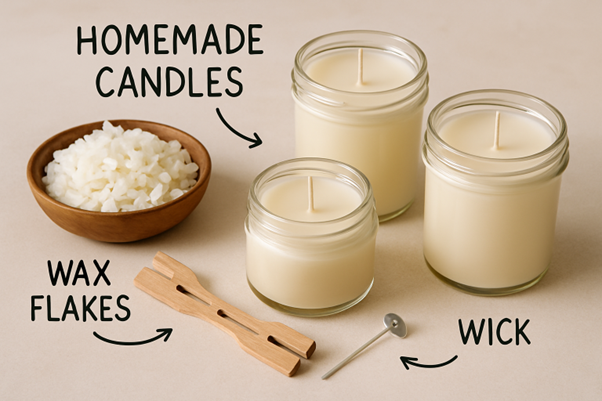
Transforming your home with the cozy ambiance of handcrafted candles is both attainable and enjoyable. With just a few simple materials and a bit of inspiration, you can design candles tailored to your style, scent preference, and décor. Whether for enhancing your space or as a gift, the process is as rewarding as the finished product. If you’re just getting started, consider a DIY candle making kit from Inluro to make the process even smoother.
Homemade candles aren’t merely about filling your house with delightful aromas—they can also reflect your personal touch, offer a safer, cleaner burn, and prove significantly more cost-effective than high-end store varieties. Crafting candles allows you to control every ingredient, ensuring an eco-friendly, high-quality finish free from unwanted chemicals.
Creating your own candles puts you in charge of choosing waxes, scents, and stunning containers, making for an engaging hobby and a way to elevate your living space. Even better, the results can rival or surpass professionally made candles in both quality and design.
Beyond the personal satisfaction of crafting, candle making is a relaxing and mindful activity that allows you to unwind, focus, and experiment creatively. As you improve your technique, you’ll discover there are almost endless ways to get inventive—whether that’s experimenting with exotic scents or embedding decorative elements.
For additional candle-making tips and trend ideas, consider this helpful guide from Martha Stewart, which offers expert advice and visual inspiration.
Why Make Your Own Candles?
Hand-poured candles provide many advantages over their store-bought counterparts. By creating your own, you have complete control over the wax type (such as soy, beeswax, or paraffin), fragrance strength, and coloring. This customization enables the design of candles that perfectly match seasonal moods or special occasions. DIY candles are an excellent alternative for individuals sensitive to the chemicals or scents in commercial products, as they allow you to exclude synthetic elements and opt for clean-burning ingredients.
Another benefit is affordability. Purchasing quality candles can get expensive, especially for those that feature unique designs or artisanal elements. When you make your own, the per-candle cost drops as you reuse materials and scale up your hobby. Plus, your creations have a unique, handmade appeal that mass-produced options can’t match.
Essential Materials and Tools
Getting started is simple, and you don’t need complicated equipment. The essential items include the following:
- Wax: Soy wax is popular for its clean burning, beeswax for its natural appeal, or paraffin for its affordability.
- Wicks: Wicks should suit the width of your chosen container and are available pre-tabbed for ease of use.
- Containers: Glass jars, metal tins, teacups, or silicone molds are all suitable bases.
- Fragrances: Use essential oils or specialized candle scents for a more refined scent. It’s vital to ensure that your scents are formulated for candle making.
- Colorants: Crayon shavings and a range of candle dyes allow you to customize hues.
- Double boiler: Melting wax in a double boiler helps prevent overheating and scorching.
- Thermometer: A thermometer helps you achieve the ideal pouring temperature to prevent sinkholes and imperfections.
- Stirring utensil: Use a dedicated spoon or stick for mixing wax, color, and fragrance.
Step-by-Step Guide to Candle Making
- Prepare Your Work Area: Cover surfaces with newspaper or protective sheets to guard against spills. Set up your materials in a well-ventilated space.
- Measure and Melt Wax: Calculate the amount of wax needed based on the container size. Melt the wax gently in a double boiler, staying attentive to the desired temperature.
- Add Fragrance and Color: Once melted, add your chosen scents and dye, stirring well for an even distribution.
- Secure the Wick: Center your wick using adhesive or wick stickers at the base, and balance the tip with a chopstick or wick holder across the opening of the container.
- Pour the Wax: Slowly transfer the melted wax into your container, taking care not to disturb the wick. Save a little wax for topping up, if necessary.
- Set and Trim the Wick: Let your candle cool and solidify over several hours. Once set, trim the wick to roughly 1/4 inch to promote a safe, steady flame.
Safety Precautions
- Always supervise melting wax—never leave it unattended as it’s highly flammable.
- Have a fire extinguisher or baking soda nearby in case of emergency.
- Use heatproof containers, as thinner glass or delicate dishes can fracture from heat.
- Keep wicks centered and upright during pouring to encourage an even burn and prevent flare-ups.
Creative Ideas to Personalize Your Candles
Once you’ve mastered the basics, there are countless ways to make your candles stand out. Try layering different wax colors for a stunning striped effect, or embed dried flowers, citrus slices, or sprigs of rosemary for a botanical look. Add cinnamon sticks and coffee beans for texture and aroma, or pick molds in fun shapes for special occasions. For more advanced tips, explore the comprehensive resources found on Good Housekeeping’s candle-making guide.
Benefits of DIY Candle Making
- Eco-friendly: Using natural ingredients and recyclable containers helps minimize your environmental impact.
- Customizable: You can design candles to match your scent, color, and décor preferences perfectly.
- Cost-effective: High-quality candles are a fraction of the cost when made at home.
- Perfect gifts: Handmade candles make heartfelt presents with a personal touch.
Conclusion
Diving into candle making at home offers satisfaction on multiple levels—from the hands-on creative process to the pride of displaying or gifting a beautiful, functional creation. With fundamental tools, safety awareness, and a sprinkle of inventiveness, you’ll brighten your surroundings with your unique, aromatic candles. Embrace the opportunity to make each candle an expression of your style, and enjoy the inviting glow it brings to any gathering or quiet night at home.