


Key Takeaways
- Brief, routine checks can uncover small leaks before they damage walls, flooring, cabinets, or belongings.
- Toilets, drains, water heaters, fixture connections, and outdoor spigots all need regular attention.
- Every household should know where the main water shut-off valve is and how to use it safely.
- Repeated clogs, sewage odors, water stains, and unexplained water use need prompt investigation.
- Monitoring devices can provide another layer of awareness, but they do not replace visual inspections.
A home plumbing maintenance plan helps turn unexpected problems into manageable tasks. Whether a homeowner is checking a slow drain or deciding when to contact a plumber, early attention can reduce the chance of a small issue becoming a disruptive water emergency.
Plumbing problems are often hidden at first. A loose-fitting under-the-sink, a toilet that silently refills, or a worn washing machine hose can leak for weeks before obvious damage appears. Setting aside a few minutes each month makes it easier to notice changes while they are still relatively minor.
Why a Plumbing Maintenance Plan Matters
Water follows the path of least resistance, so even a small leak can travel behind walls, below flooring, or into nearby cabinets. In addition to property damage, leaks waste water. The EPA notes that household leaks can waste nearly 1 trillion gallons of water annually nationwide, which makes routine inspection useful for both home protection and water conservation.
A simple maintenance calendar also removes guesswork. Instead of waiting until a fixture fails, homeowners can build practical checks into regular household routines and keep notes about repairs, dates, appliance ages, and recurring concerns.
For broader questions about fixture repairs, drain behavior, or water supply concerns, reliable plumbing information can help homeowners distinguish between a basic maintenance task and a problem that requires professional assessment.
Monthly Plumbing Checks
Once a month, inspect areas where water is used or stored. Compare the current water bill with bills from similar periods, especially if household routines have not changed. A sudden increase may point to an unseen leak.
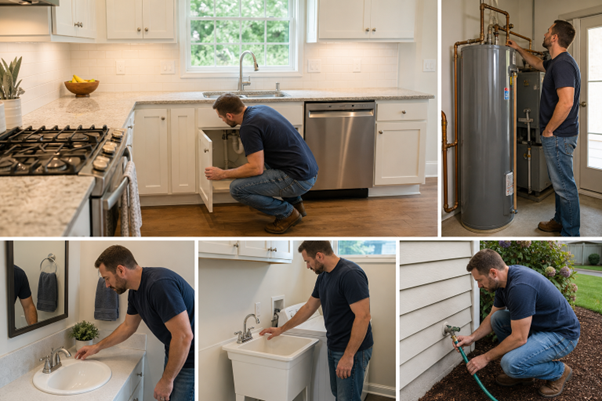
- Look beneath sinks for moisture, stains, swelling cabinet floors, or corroded supply connections.
- Check faucets, showerheads, toilet bases, and exposed pipes for drips or mineral buildup.
- Listen for a toilet that refills when no one has flushed it.
- Run water in infrequently used sinks, tubs, and floor drains to watch for slow drainage or bubbling.
- Inspect washing machine hoses, dishwasher connections, and refrigerator water lines for wear or dampness.
How to Test for Hidden Leaks
A water meter test can help identify water loss that is not immediately visible. First, turn off faucets, appliances, irrigation equipment, and any other water-using fixtures. Record the water meter reading, avoid using water for about two hours, then check the meter again. A changed reading may indicate a leak somewhere in the system.
To test a toilet, add a few drops of food coloring to the tank and wait about 10 minutes without flushing. If color enters the bowl, the flapper or another internal component may be leaking. Flush afterward so the dye does not stain the fixture.
Seasonal Plumbing Tasks
Spring and Summer
- Inspect outdoor faucets, hoses, irrigation heads, and hose connections for cracks or leaks.
- Clear leaves and debris from outdoor drains so rainwater can move away from the home.
- Watch water use during the irrigation season, vacations, and periods with houseguests.
- Keep grease, wipes, coffee grounds, and fibrous food scraps out of kitchen drains.
Fall and Winter
- Disconnect garden hoses and address dripping outdoor spigots before cold weather arrives.
- Insulate vulnerable pipes in garages, crawl spaces, and exterior-facing areas where appropriate.
- Keep indoor temperatures steady during freezing conditions, even when away from home.
- Make sure the main shut-off valve is accessible before an emergency happens.
Water Heater Care
Inspect the water heater tank, fittings, drain valve, and nearby floor for moisture or rust. Popping, rumbling, or banging may suggest sediment buildup, while water around the base of a tank can indicate a more serious failure. Follow the manufacturer’s maintenance instructions for the specific gas, electric, tankless, or heat pump model.
Do not modify gas connections, electrical components, or temperature-and-pressure relief equipment. The Department of Energy explains that high water pressure can increase fixture wear and tear, so persistent leaks or relief-valve discharge should be evaluated rather than ignored.
Drain, Toilet, and Fixture Maintenance
Use strainers in sinks, showers, and tubs, then clean them before debris creates a full blockage. Avoid relying on harsh chemical drain cleaners, particularly in older plumbing, as they may damage certain pipes or pose hazards during later repairs. Never flush wipes, paper towels, hygiene products, or grease.
One slow drain may be a local clog. However, several slow-draining or backing-up fixtures, gurgling sounds, or sewer odors can indicate a larger drain-line issue. Clean faucet aerators when mineral buildup reduces flow, but investigate persistent low pressure or frequent banging pipes.
Find and Test the Main Water Shut-Off Valve
Locate the main shut-off valve where the water service line enters the home, often near a water heater, utility room, garage, basement, or exterior wall. Keep the area clear, show every adult household member where it is, and turn it slowly from time to time to confirm it operates. If it is stuck, damaged, or leaking, avoid forcing it.
When DIY Makes Sense and When It Does Not
Basic tasks may include cleaning a drain strainer, replacing a faucet aerator, changing a toilet flapper, installing a new hose washer, or gently tightening a clearly loose supply connection. Stop and seek qualified help when a repair involves gas, electrical wiring, exposure to sewage, hidden piping, major pressure problems, or structural access.
Warning Signs That Need Prompt Attention
- Water stains on ceilings, walls, or floors.
- Running water sounds when every fixture is off.
- A sudden and unexplained increase in the water bill.
- Multiple clogged fixtures, wastewater backups, or sewage odors.
- A leaking water heater tank, persistent low pressure, or recurring leaks.
What to Do During a Plumbing Emergency
Turn off the nearest fixture valve or the main water supply if the source is unclear or cannot be shut off. Avoid standing water near electrical equipment, move valuables away from the affected area when safe, and photograph visible damage for household records. Do not enter contaminated wastewater or attempt repairs that place you near electrical hazards.
A Simple Year-Round Plumbing Routine
- Weekly: Watch for drips, toilet refills, slow drains, unusual odors, and unfamiliar sounds.
- Monthly: Check bills, cabinets, exposed connections, fixtures, and appliance hoses.
- Each season: Inspect outdoor plumbing, irrigation, drainage areas, and pipes exposed to temperature changes.
- Annually: Review water heater maintenance, test the main shut-off valve, and update home repair records.
Conclusion
Plumbing maintenance does not need to take hours each week. Consistent checks can reveal leaks, worn components, pressure issues, and drainage problems before they become emergencies. A practical monthly and seasonal routine helps homeowners protect their property, reduce water waste, and respond more confidently when a problem requires immediate attention.