


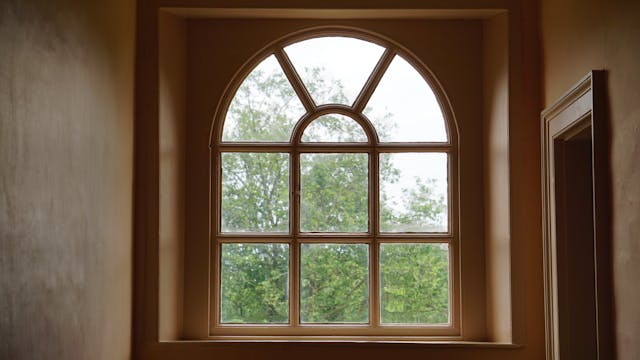
Ensuring you measure your windows correctly is essential when replacing glass, whether for improved efficiency, safety, or aesthetics. An accurate measurement is the foundation for a seamless installation process and optimal result. Many homeowners overlook this first step, but even minor miscalculations can lead to a host of problems down the road, such as drafts, moisture buildup, or a glass pane that simply doesn’t fit. This guide will take you through each step of the process, making it easy for homeowners and DIY enthusiasts to get reliable results. For those who would rather let the professionals handle the job, check out https://www.acehighglass.com/ for expert assistance and a wide range of services, including consultations and custom solutions.
Window measurements need to be precise to ensure your new custom glass not only fits securely but also provides the insulation and performance you expect. Failing to measure correctly can lead to expensive errors, energy loss, or even security issues. Taking your time and having the right information and tools will ensure you avoid the most common pitfalls that can arise during this process. Whether you are looking to update a single pane or refurbish multiple windows throughout your home, being meticulous at this stage will save you a lot of hassle and cost in the long run.
Tools You’ll Need
- Measuring tape – A retractable metal tape measure is preferred for accuracy.
- Notepad and pen – For recording your measurements; consider taking photos as well for reference.
- Level – Ensures your measuring tape is straight and helps spot any frame warping.
- Calculator – Useful for quickly converting measurements or double-checking calculations.
Step 1: Measure the Width
Begin by measuring the width of your window opening. It is important to take three separate measurements: one at the top, one in the middle, and one at the bottom of the window frame. Window frames sometimes shift or settle over time, so they may not be perfectly straight. Take your measurements from the inside edge of one side of the frame to the inside edge of the opposite side. Recording the smallest of these three measurements is critical, as this guarantees the replacement glass will not be too wide to fit into the existing space. This step is especially important for older homes, where window frames may have settled or become misshapen. If there are old sealants or debris in the way, gently clean the area for the most accurate reading.
Step 2: Measure the Height
Measure the height from the left, center, and right sides of the frame. As with the width, window frames can warp or settle, making these three measurements necessary. Once again, record all three numbers and use the smallest as your definitive measurement for ordering replacement glass. This method provides a safeguard against frame imperfections and ensures a snug, accurate fit. Measuring from the sill (the bottom, interior surface), not the trim, helps avoid measurement errors, so make sure you start and end in the right spots each time.
Step 3: Determine the Glass Thickness
The thickness of the glass is another important measurement. Residential windows most often use glass that is 1/8 inch thick, but it is crucial to match the thickness of your current window for optimal performance and safety. If you are replacing insulated glass or double-paned units, you may need to measure the entire sealed unit, not just one layer of glass. If you are unsure, consult a professional glazier or refer to the original manufacturer’s specifications. Some homeowners carefully remove a piece of trim to expose the glass edge for accurate measurement, but if you are uncomfortable doing this, consider seeking help.
Common Mistakes to Avoid
- Measuring the frame instead of the glass: Remember to measure only the visible glass area, not the entire window frame. This ensures you get the exact dimensions needed for your new pane and don’t end up with glass that’s too large or small for the intended opening.
- Ignoring frame irregularities: Window frames can warp or distort over time or due to environmental changes. Multiple measurements across different parts of the frame will help you find the smallest, most accurate dimensions. Always double-check the measurements and confirm that your measuring tape is level and straight for the most reliable results.
- Not accounting for sealant space: Always allow a small gap, usually around 1/8 inch, between the new glass and the frame. This space is crucial for applying sealants that secure the glass and prevent cracking caused by pressure or temperature fluctuations. According to Better Homes & Gardens, properly accounting for sealant space is vital for long-term window performance and helps accommodate seasonal expansion and contraction.
When to Seek Professional Help
Not all window replacements are straightforward. If your windows have non-standard shapes, are set high above the ground, or if there’s any uncertainty about your ability to measure accurately, it is wise to hire a professional glass installer. Certified professionals have the experience and tools necessary to ensure flawless results, which can save time, reduce risk, and often be more cost-effective in the long run. Additionally, for historic homes or specialized materials (such as tempered or laminated glass), expert guidance can be invaluable for preserving your home’s integrity and safety.
Final Thoughts
Taking the time to measure windows precisely is an essential first step for any successful custom glass replacement. With patience, the correct technique, and the right tools, you can ensure your new glass is a perfect fit every time. Avoid common mistakes, account for frame irregularities, and do not hesitate to bring in professional help when needed. Proper measurements will ensure a better seal, improved energy efficiency, and a more attractive appearance for your home, while minimizing costly surprises during installation. Ultimately, getting your measurements right will improve your home’s appearance, enhance security, and maximize energy efficiency.