


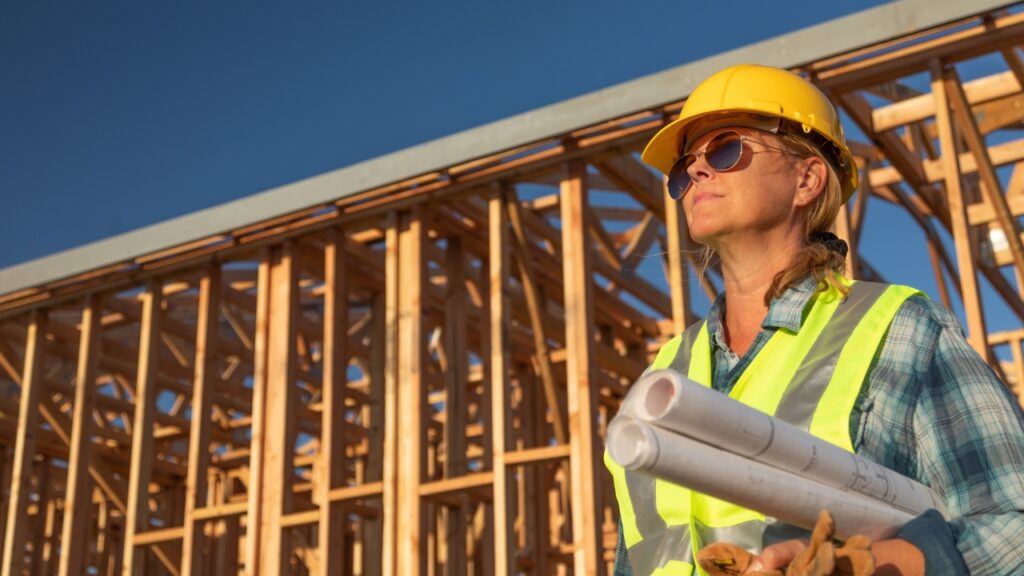
With the housing landscape rapidly changing, custom home building is undergoing a transformation driven by homeowners seeking personalized, efficient, and sustainable living spaces. Across the industry, the latest design, construction, and lifestyle innovations are influencing both how homes are built and how they look and feel. For those considering building a dream home or remodeling to embrace future trends, staying ahead of the latest trends can make all the difference. As interest surges in areas like Fort Mill, discerning buyers are contacting new home builders in Fort Mill to achieve tailored designs that reflect these advances.
From eco-conscious features to advanced technology, today’s custom homes reflect deeper lifestyle priorities. Homeowners are no longer just looking for beautiful spaces; they want comfort, flexibility, health, and a genuine connection with both family and nature. The result is a blend of unique choices in materials, layouts, and amenities that make living not only easier but much more meaningful. The desire for effortless blending of indoor and outdoor spaces is also shaping how homes are constructed and experienced. Each of these trends highlights not only changing values but also practical benefits in daily living. While efficiency and wellness are priorities, there’s a strong inclination toward stylish flair and maximizing every square foot. Whether you are taking the first steps toward building a new residence or exploring options to modernize your current property, it is wise to choose innovative builders who understand these shifts in lifestyle and design. For homeowners interested in expanding their living spaces even further, there’s a growing demand for inviting seasonal rooms. Trusted sunroom contractors can help craft comfortable, light-filled spots that seamlessly connect indoor areas with the outdoors, enhancing both relaxation and year-round enjoyment.
Sustainable Design and Green Building Practices
As environmental awareness grows, sustainable design has moved to the forefront. Innovative home builders are now prioritizing solutions that increase energy efficiency, reduce waste, and support long-term cost savings. Key features such as solar arrays, geothermal heating, low-flow fixtures, and rainwater harvesting systems are common in new builds. The use of recycled, reclaimed, and regionally sourced materials ensures homes achieve lower carbon footprints while still presenting appealing aesthetics. This shift also supports local economies and enables creative applications of wood, stone, and other materials throughout the house.
Flexible Living Spaces
Today’s homeowners expect versatility from their living spaces. With families working and studying from home more than ever, adaptable rooms that change function as needed are gaining popularity. Designs emphasize open-plan environments that can be divided as life stages evolve, featuring sliding partitions, Murphy beds, or convertible office areas. Instead of rooms that serve just one purpose, today’s custom homes offer adaptable bonus rooms, guest quarters, and hobby spaces that can transform as the family’s needs evolve. This flexibility enables homeowners to future-proof their space and avoid costly renovations in the years ahead.
Smart Home Technology Integration
The smart home concept is revolutionizing daily living, turning mere residences into high-tech havens. In 2026, advanced systems control lighting, security, temperature, and entertainment with just a voice command or mobile app. Builders are wiring homes for seamless automation, with Internet of Things (IoT) connectivity making it easy to integrate appliances, doorbells, security cameras, and sensors. Smart thermostats and adaptive lighting can help cut utility bills and create tailored atmospheres for different activities or times of day. This digital-first approach appeals to buyers seeking both ease of use and enhanced safety.
Health and Wellness-Focused Design
Designing for health and wellness is now a major consideration. New builds incorporate amenities that support relaxation and healthy routines, such as meditation spaces, spa-inspired bathrooms, and dedicated gyms. Builders enhance indoor air quality through advanced filtration, HEPA ventilation, and low-VOC paints and finishes. Exposure to natural light is maximized with expanded windows, skylights, and glass walls. These design features not only boost residents’ mental and =physical well-being but can also add value when it comes time to sell.
Minimalist and Open-Concept Layouts
The minimalist trend continues to influence custom home design, favoring airy, uncluttered spaces with crisp lines and natural light. Open-concept layouts are especially in demand, merging kitchen, dining, and living areas into continuous, welcoming spaces. This approach not only makes a home feel larger but also encourages a more social and flexible lifestyle. Rooms can be personalized with striking art, feature walls, or statement furniture without detracting from the minimalist style’s sense of order or simplicity.
Bold Use of Colors and Materials
Homeowners eager to infuse their dwellings with personality are moving away from all-neutral color palettes. Deep blues, dramatic greens, and warm earth tones are showing up in cabinetry, accent walls, and floors. Mixing materials such as natural wood beams, leather, concrete, and sleek metals adds rich texture and interest throughout the house. Customized tilework, patterned wallpaper, and creative backsplashes further personalize spaces and help homes stand out in an increasingly crowded market.
Smaller, More Functional Homes
Rising construction and land costs are fueling a trend toward more compact homes that prioritize functionality. Architects and builders are creatively maximizing every inch with multi-use furniture, built-in storage, and fewer traditional hallways. This shift allows homeowners to afford features that matter most, such as upgraded kitchens or outdoor living areas, without sacrificing practicality. In many cases, smaller homes also mean lower energy bills and less time spent on upkeep, resulting in a more manageable and enjoyable lifestyle.
Indoor-Outdoor Living Spaces
The connection between interior and exterior spaces has become a top priority for homebuyers. Designs emphasize large sliding or folding glass doors, seamless patio transitions, and covered outdoor kitchens or lounging zones. By extending living areas outdoors, homeowners gain additional space for entertaining and relaxation, along with the health benefits of access to fresh air and nature. Landscaping and outdoor lighting further enhance these transition spaces, making homes feel like retreats year-round. Custom home building in 2026 is characterized by purposeful innovation that goes far beyond mere trendiness. Builders and homeowners alike are seeking to create spaces that support sustainability, technology, health, and personal style, all while maximizing value and comfort. These shifts reflect a new chapter in home design, one in which every feature is chosen with intent, aligned with the modern way of living.