


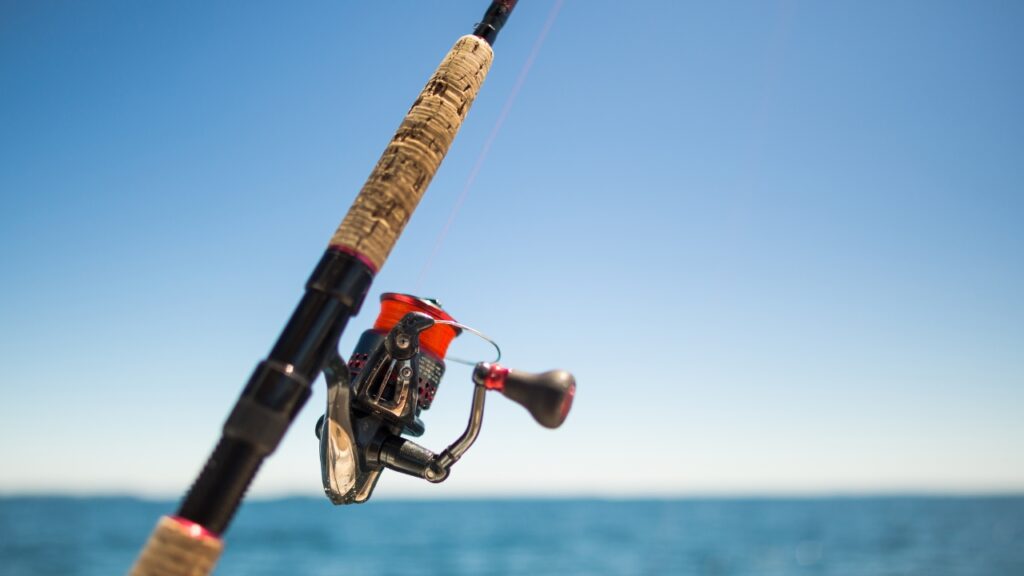
Saltwater fishing presents unique challenges that demand specialized equipment and techniques. To maximize your success and ensure the longevity of your gear, it’s essential to stay informed about the latest advancements and best practices in reel performance. For a comprehensive selection of high-quality saltwater fishing reels, exploring reputable manufacturers can provide valuable insights.
Understanding the Impact of Saltwater on Fishing Reels
Saltwater is notorious for its corrosive properties, which can quickly degrade fishing equipment. Exposure to salt can lead to rust, pitting, and overall deterioration of reel components. Recognizing these effects is the first step toward implementing effective preventive measures.
Salt itself is an electrochemical agent that can accelerate the breakdown of metals and components within fishing reels. Even short-term exposure to salty air or splash can initiate corrosion, especially on surfaces that are not anodized or protected with specialty coatings. Over time, this corrosion may manifest as surface discoloration, loss of smoothness in gear action, or even total breakdown of sensitive parts like ball bearings. Anglers must be proactive when using reels in such harsh conditions to ensure their gear remains reliable and functional.
Advancements in Reel Technology
Recent innovations have significantly improved the durability and performance of saltwater fishing reels. Manufacturers have introduced features such as sealed drag systems and corrosion-resistant materials to combat the harsh marine environment. For instance, the latest models from leading brands incorporate advanced sealing technologies that prevent water intrusion, thereby extending the reel’s lifespan. Shimano’s recent product line exemplifies these advancements, offering anglers more reliable options for saltwater fishing.
Another significant advancement is the use of carbon fiber drag systems, which offer smoother, more consistent performance under heavy loads and help resist heat buildup during prolonged battles with large saltwater species. Additionally, lightweight yet durable materials such as machined aluminum, high-grade stainless steel, and proprietary composites help modern reels withstand the dual challenges of saltwater corrosion and heavy use. The integration of improved gear ratios in newer reels also allows for faster retrieval rates and better control over your catch, enhancing angling success in a variety of scenarios.
Maintenance Tips for Saltwater Reels
Regular maintenance is essential to keep your saltwater reels in optimal condition. Here are some key practices:
- Rinse After Use: Thoroughly rinse your reel with fresh water after each saltwater outing to remove salt residues. Use a gentle spray to avoid forcing salt deeper into the reel’s components. Marlin Magazine advises against using high-pressure sprays, as they can drive salt deeper into the reel.
- Lubricate Moving Parts: Apply appropriate lubricants to gears and bearings to prevent corrosion and ensure smooth operation. Focus on the line roller, bail arm, and handle knobs. Offshore Tackle Repair recommends using the manufacturer’s recommended reel oil for optimal results.
- Inspect for Damage: Regularly check for wear or damage and address issues promptly to prevent further deterioration. Pay special attention to the drag system, as contaminated or damaged washers can affect performance.
Implementing these routines can significantly enhance the longevity and performance of your fishing reels.
For added protection, consider disassembling your reel seasonally for more thorough cleaning. Using small brushes and picks, clean away any accumulated grit or salt, and reapply grease and oil as recommended by the manufacturer. Some anglers also add a light coat of reel-safe corrosion-inhibitor spray to the external surfaces for an extra barrier against the elements. Proper storage, such as keeping reels in a cool, dry, ventilated area, further prevents the hidden effects of lingering moisture or salt exposure between trips.
Choosing the Right Reel for Your Fishing Environment
Selecting a reel that suits your specific fishing conditions is crucial. Consider the following factors:
- Target Species: Larger fish require reels with higher drag capacities and stronger construction.
- Fishing Location: Offshore fishing demands reels with greater line capacity and greater durability than inshore fishing.
- Environmental Conditions: Areas with high salinity or sand exposure necessitate reels with superior sealing and corrosion resistance.
Understanding these aspects will help you make informed decisions when choosing your equipment.
The size and power of your reel should match the potential size of fish you intend to catch and the environment in which you’ll be fishing. For example, surf anglers may need reels capable of long casts and resistant to sand infiltration, while deep-sea anglers may require larger reels with high-speed retrieves to battle pelagic species. Consider whether a spinning or conventional (baitcasting) reel suits your preferred style and target fish; spinning reels generally offer ease of use and versatility, while conventional reels excel when power and line capacity are priorities.
Advanced Tips & Tricks for Saltwater Reels
For anglers looking to further enhance reel performance, consider these advanced strategies:
- Upgrade Bearings: Replace stock bearings with ceramic or stainless-steel alternatives for smoother operation and greater corrosion resistance.
- Drag Washer Customization: Swapping standard drag washers for carbon fiber or enhanced materials can markedly increase drag smoothness and provide better stopping power for large, fast-swimming saltwater species.
- Line Management: Spool your reel with high-quality braided line, which offers a thin diameter and greater strength for saltwater conditions. Always use an appropriate mono or fluorocarbon leader to avoid detection and wear from sharp-toothed fish.
- Handle Upgrades: Consider fitting ergonomic handles or power knobs for comfort during long fights, especially when targeting trophy-size species.
- Periodic Professional Servicing: At least once a season, have reels professionally serviced for in-depth cleaning and component inspection, ensuring longevity and performance you can rely on during critical moments.
Frequently Asked Questions
- How often should I clean my saltwater fishing reel?
- Ideally, rinse your reel after every saltwater use and perform deep cleaning and lubrication at least once a month during peak fishing season.
- Can I use freshwater reels in saltwater?
- It is not recommended, as freshwater reels lack the corrosion protection and sealing necessary for saltwater environments. Always opt for reels specifically designed for marine use.
- What is the most important part of a saltwater reel to maintain?
- The drag system and bearings. Bearings enable smooth function, while the drag system provides control during fights with strong fish. Both must remain free of salt and properly lubricated.
Conclusion
Enhancing the performance of your saltwater fishing reels involves selecting the right equipment, staying up to date on technological advancements, and adhering to diligent maintenance practices. By integrating these strategies, you can ensure a more successful and enjoyable fishing experience.
As innovation continues, keeping informed about the latest products, upgrades, and care techniques will help you adapt to evolving fishing environments. Whether you’re a recreational angler or a seasoned professional, protecting your investment in high-quality saltwater reels ensures countless successful outings on the water. Ultimately, the more advanced your knowledge and maintenance routine are, the better your equipment will serve you in the unpredictable conditions of saltwater fishing.