


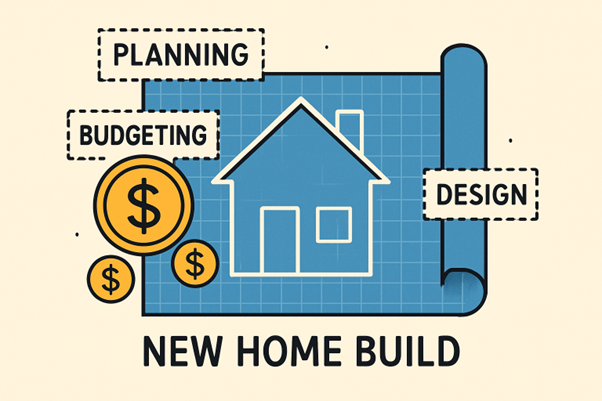
Careful budget planning lays the foundation for a successful custom home build. From securing land to finishing interiors, each step involves specific costs that need to be addressed early. Prospective homeowners should factor in land purchase, design and architectural services, permits, construction costs, and a financial cushion for surprises. Industry professionals advise setting aside 10 to 15 percent of your budget for unforeseen events, such as fluctuating material prices or unexpected complications at the construction site. This preparation helps ensure your vision can be realized without last-minute stress.
Working with reputable custom home builders in Loudoun County, VA, can simplify budgeting by providing transparent estimates and insights into local expenses. By actively tracking all costs, you prevent overruns and keep your new home project on solid financial ground right from the start.
Design and Layout Considerations
Design decisions can significantly impact both the aesthetics and functionality of your future home. Focus first on your must-have features that directly improve daily living, like open floor plans that maximize usable space or ample storage for growing families. Consider multi-purpose rooms and future-proofing your layout to accommodate changing needs over time.
Opting for foundational elements before luxury add-ons ensures budget allocation goes towards what truly matters, like kitchen efficiency or improved natural lighting. When collaborating with an architect, prioritize layout ideas that encourage efficient movement and practical use of every square foot.
Energy Efficiency and Sustainability
Incorporating green building practices and energy-smart features pays off both financially and environmentally. Modern homeowners benefit from advanced insulation, ENERGY STAR® appliances, and high-efficiency HVAC systems. While some of these options may cost more upfront, the long-term utility savings help offset those costs, and homeowners also enjoy greater year-round comfort. According to Energy.gov, minor upgrades, such as switching to efficient light bulbs and installing Energy Star windows, can significantly reduce energy consumption and bolster your home’s value in the market.
During the planning phase, discuss sustainable options such as solar panels, rainwater collection, and local building materials with your builder to reduce your project’s environmental impact further.
Setting a Realistic Timeline
Establishing a realistic construction timeline is vital for a stress-free building experience. A typical custom home build can span 12 to 18 months, with the first few months focused on design, permit approval, and site preparation. Delays may arise from inclement weather, supply chain issues, or permit backlogs, so maintaining open communication with your home-building team is essential.
By breaking the project into phases, you and your builder can identify opportunities to fast-track certain elements or adjust the scheduling when challenges emerge. Regular progress reviews help keep your timeline and expectations aligned as the project advances.
Choosing the Right Team
Partnering with experienced professionals fosters a smoother project from start to finish. Take the time to research and interview builders, architects, and contractors with solid reputations in your area. Ask for portfolios, check references, and confirm experience with homes of similar complexity. The right team offers not just technical skills but also practical advice on staying within budget, avoiding costly mistakes, and identifying high-quality materials. For help comparing credentials, resources like Houzz can help you evaluate professionals for your home-building journey.
Managing Costs During Construction
The risk of budget overruns is highest once construction begins. Limit changes to the initial plan to prevent scope creep, which can lead to rising costs and schedule delays. When considering upgrades or substitutions, compare both immediate price and long-term value, as some cost-effective alternatives (such as engineered wood flooring) can deliver durability and style at a reduced cost. Regularly review expenditure reports and involve your project manager in decision-making to ensure transparency at every stage.
Permits and Regulations
Navigating local permits and building codes is non-negotiable for legal and safe construction. Permit processes vary by location and type of build, often requiring submission of detailed blueprints and environmental impact assessments. Approval can take several weeks or even months, so factor in waiting times when planning your project calendar. By involving your builder and architect in the permitting process, you can identify potential compliance issues early and avoid costly corrections after construction begins.
Staying Flexible and Planning for the Unexpected
Even with a perfect plan, the complexity of home building means surprises are inevitable. Unexpected weather conditions, backordered materials, or personal reconsiderations can slow progress. Stay adaptable, regularly revisit your budget, and work closely with your building team to adjust plans as needed. Flexibility and proactive communication can turn potential obstacles into opportunities for creative problem-solving, ensuring your new home build remains on track through every twist and turn.
Strategic budgeting, thoughtful design, sustainable choices, and careful scheduling pave the way for a rewarding custom home-building experience. By assembling the right team, keeping costs under control, securing permits in advance, and remaining open to change, you can enjoy a smooth journey from concept to completion and a home that truly fits your lifestyle and vision.