


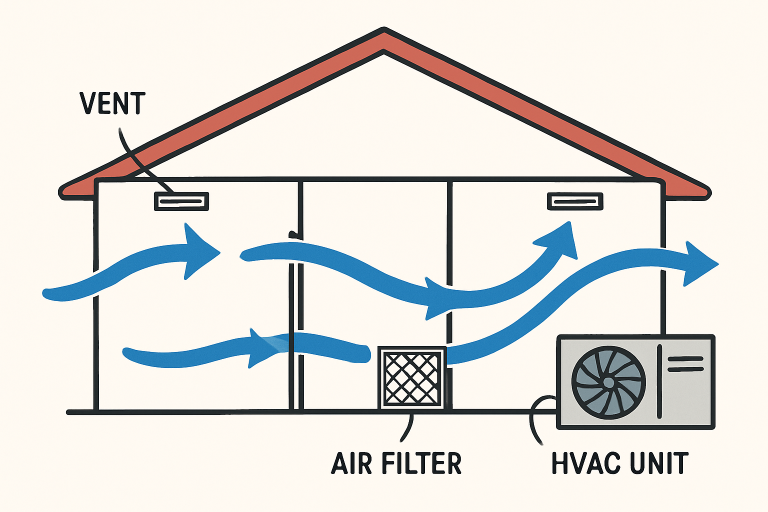
As Utah and Western homeowners prepare for the warmer seasons, optimizing your home’s airflow can have a transformative impact on comfort, efficiency, and overall well-being. When temperatures begin to climb, ensuring your home is ready to ventilate, cool, and freshen the air is more important than ever. By managing seasonal changes, regular maintenance, and airflow, you can make all the difference. For those seeking expert assistance with this transition, learn how to optimize airflow as the seasons change for a more comfortable home environment.
Proper airflow does more than help your home stay cool or warm. It helps address fluctuating indoor temperatures, improves air quality, and reduces energy costs. The benefits become especially clear in regions like Utah and across the Western US, where significant daily and seasonal temperature swings can strain your HVAC system and compromise your comfort. Understanding and addressing the basics of home airflow can create healthier, more enjoyable spaces for your family year-round. From simple tasks such as swapping air filters to more involved efforts like inspecting your ductwork, every step you take contributes to your home’s overall climate and energy efficiency. These steps are essential not just for immediate comfort but also for the long-term health of your HVAC system and your family.
This guide addresses the importance of proper airflow, common causes of poor circulation, actionable strategies to improve airflow, and the many benefits you will notice when you make these improvements. Implementing these tips helps prepare your home for seasonal changes and enhances your daily quality of life. For additional guidelines on boosting home ventilation and air quality, consult resources from the U.S. Environmental Protection Agency.
Importance of Proper Airflow
Proper airflow is central to maintaining a comfortable home, particularly in areas with changing or extreme weather patterns. Through effective ventilation, you ensure every room receives enough conditioned air, reducing hot and cold spots that can make life uncomfortable as temperatures shift. Good airflow is also pivotal in minimizing the presence of indoor pollutants, such as dust, pet dander, and allergens, that can accumulate when doors and windows remain closed for climate control.
Uninterrupted airflow maintains consistent humidity levels, preventing moisture accumulation that can lead to mold, mildew, and other health-related concerns. In addition, improved air circulation supports your HVAC equipment by reducing unnecessary strain, lowering energy usage, and minimizing the risk of costly repairs. For more in-depth information about healthy home ventilation and its benefits, the U.S. Department of Energy offers a comprehensive overview.
Common Causes of Poor Airflow
Several everyday factors can hinder proper airflow in a home, and each can be addressed with regular care:
- Clogged Air Filters: Accumulated debris in filters restricts air passage, forcing your heating or cooling system to work harder while reducing efficiency.
- Blocked Vents and Registers: Furniture and drapes too close to supply or return vents can limit distribution, creating pockets of stagnant or under-conditioned air.
- Leaky Ductwork: Cracks or disconnections in ducts allow conditioned air to escape before it reaches rooms, reducing comfort and increasing energy costs.
- Improperly Sized HVAC Systems: Systems that are too large or too small can result in uneven airflow, frequent cycling, and uncomfortable temperature fluctuations.
Strategies to Improve Home Airflow
Successful airflow management relies on proactive maintenance and strategic adjustments, many of which are simple enough to complete on your own:
- Regularly Replace Air Filters: Check and swap filters every one to three months. Cleaner filters keep air moving freely and help maintain indoor air quality.
- Keep Vents Unobstructed: Inspect rooms regularly to ensure vents and registers are clear of furniture, drapes, or rugs that might block airflow.
- Use Ceiling Fans: Ceiling fans can circulate air and support your heating and cooling systems. Set fans to spin counterclockwise in summer for a breeze effect and clockwise in winter to push warm air down.
- Schedule HVAC Maintenance: Routine inspections by a professional can detect less obvious issues, such as damaged ductwork or inefficiencies, before they become more expensive problems.
- Seal and Insulate Ductwork: Prevent wasted energy and uneven temperatures by ensuring your ductwork is properly sealed and insulated, particularly in attics and crawlspaces.
- Utilize Exhaust Fans: Kitchen and bathroom exhaust fans help remove moisture and odors at the source, supporting broader airflow throughout your home.
Benefits of Enhanced Airflow
Once you have improved your home’s airflow, you can expect a range of tangible advantages, especially as seasonal demands on your HVAC system grow:
- Improved Comfort: Rooms are evenly cooled or heated, giving you consistent comfort without sudden temperature drops or spikes.
- Energy Efficiency: Enhanced airflow helps your home achieve set temperatures faster, reducing HVAC usage and lowering monthly utility bills.
- Better Air Quality: By removing airborne pollutants more effectively, your home becomes healthier, reducing risks from dust, allergens, and other contaminants.
- Extended HVAC Lifespan: When your system does not need to work as hard to keep your home comfortable, components are less likely to wear out prematurely, saving money on repairs and replacements.
Conclusion
Keeping your home’s airflow optimized is a key part of preparing for the warmer months and enjoying indoor spaces to the fullest year-round. By understanding common causes of poor airflow and adopting both DIY and professional maintenance strategies, you can enjoy steady comfort, reduced energy bills, and a healthier home environment. Make proper airflow part of your seasonal home care routine to help your household thrive as the temperatures change.