


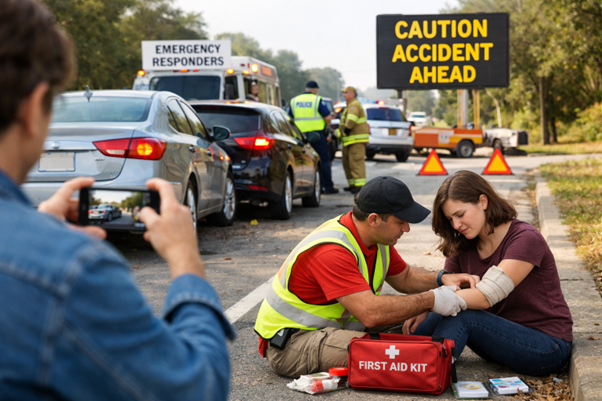
The moments immediately following an accident can be disorienting and stressful. Your first responsibility is to ensure you and anyone else involved are out of immediate danger. If the accident occurs on a roadway, move vehicles to a safe area if possible without endangering anyone further. Activate hazard lights and set out warning triangles or flares to alert other drivers. Remaining composed and attentive to unsafe conditions will help prevent additional injuries.
Always check on all parties at the scene, including passengers and bystanders. If someone is seriously injured, do not move them unless absolutely necessary, such as in the case of fire or impending further danger. Secure the area and encourage others to remain calm until help arrives. For advice relating to workplace or employment-related accidents, consider reaching out to a New Jersey employment discrimination lawyer who can offer guidance on next steps and your rights.
In addition to the immediate concerns of physical safety, it’s also important to be mindful of hazardous materials, leaking fluids, or environmental hazards such as downed power lines or debris that could present further risks. Even after you’ve achieved a safer position, stay vigilant and monitor the area for any evolving dangers. Educate yourself on local accident protocols. It can be helpful to know in advance what steps authorities or medical professionals may take upon arrival.
Helping others often means providing comfort or basic first aid if you are capable and it is safe to do so. Carrying a basic emergency kit in your vehicle, including bandages, water, flashlights, and emergency contact information, can be invaluable during those first few minutes post-accident.
Seek Medical Attention
Even if you feel fine or believe your injuries are minor, seek medical attention as soon as possible. Some injuries may not be immediately apparent, such as internal trauma or concussions, and can worsen over time if left untreated. Prompt diagnosis is crucial both for your health and for establishing a clear link between the accident and any injuries sustained.
A thorough medical record is also vital if you need to file an insurance claim or a personal injury lawsuit. Documenting your condition early ensures that insurers and courts have evidence of the severity and timing of your injuries. According to the Centers for Disease Control and Prevention, timely medical evaluation after a crash can prevent complications and speed recovery.
Monitor your condition in the days following the incident, as symptoms such as pain, swelling, dizziness, or confusion can sometimes develop hours or even days after the accident. Follow up with your doctor as directed and keep a journal of your symptoms and treatment for reference in future insurance or legal matters.
For children, the elderly, or anyone with preexisting health conditions, erring on the side of caution and seeking immediate evaluation is even more important, as they may be at increased risk for severe or delayed complications.
Document the Accident Scene
Gathering accurate documentation is essential. Use your phone to take photos and videos of the scene, vehicle damage, road conditions, skid marks, traffic signals, and injuries. Collect names, contact information, and insurance details of everyone involved, including witnesses. Write down or record your own account of the accident while it is fresh in your memory.
Preserving evidence is not only helpful for insurance claims but also crucial in potential legal proceedings. Accurate records strengthen your credibility and support your version of events.
Try to capture the time of day, weather conditions, and any other relevant details that could explain how and why the accident occurred. If possible, sketch a quick diagram of the scene, noting the positions of vehicles and people. This extra context can be valuable as witness memories fade or if you need to present your case months or years later.
Some jurisdictions recommend using accident reporting apps or forms. If your local authorities provide these tools, they can assist in the accuracy and organization of your account.
Notify Relevant Authorities
Reporting the accident to the appropriate authorities creates an official record, which is necessary in most cases involving injuries. Contact local police or emergency responders immediately. Cooperate fully when giving your statement, but avoid admitting fault or speculating about the circumstances.
Request a copy of the police report once it is available. This document is often required by both insurers and attorneys to process claims and build your case. Reporting is essential even in minor accidents, as some injuries or damages may emerge later.
Depending on the location or type of accident, you may need to follow additional reporting requirements, for example, informing your employer if you were injured on the job or notifying other regulatory agencies. Failing to report to the appropriate authority might result in complications when seeking compensation or pursuing a legal claim.
Be sure to obtain contact information for the responding officers or agencies. Accurate record-keeping from the start helps reduce stress and speeds up procedures as your case progresses.
Contacting Insurance and Legal Assistance
Notifying your insurance provider as soon as feasible ensures your claim process begins without delay. Provide them with all the documented evidence and the incident report. Accurate, complete information reduces claim disputes and helps get the support you need.
If you experience difficulties with your claim, if liability is contested, or if your injuries may lead to high costs, contact a legal professional. Attorneys can help protect your rights, negotiate settlements, and represent you if the situation escalates to litigation. It is always better to consult early rather than risk missing critical deadlines or making statements that could harm your claim.
Additionally, review your insurance policy ahead of time, if possible, so that you understand your coverage, deductibles, and obligations after an accident. Keep all correspondence with the insurance company organized and in a safe place. Legal professionals can also assist with gathering additional documents, sending demand letters, or coordinating with medical providers to strengthen your case.
Consider checking for state-specific requirements regarding accident reporting and claims, as these can vary and may affect your rights or compensation. Many law firms offer free consultations for injury victims, providing guidance before you make any formal decisions or sign documents.
Conclusion
The actions you take immediately following an injury-causing accident can significantly affect your recovery and legal options. By prioritizing safety, seeking prompt medical evaluation, documenting every aspect of the accident, notifying authorities, and consulting professionals, you put yourself in the best position to protect your health and interests. These essential first steps help secure justice and peace of mind after an unexpected accident.
In times of crisis, responding thoughtfully rather than reactively makes an enormous difference for everyone involved. Remember, preparation and knowledge are your allies. Familiarizing yourself ahead of time with important contacts, procedures, and resources can make your response more effective and less stressful, no matter the circumstances. Stay informed, stay protected, and prioritize wellness above all.