Safety should always be the top priority when working with or living around electrical systems. Every year, household electrical problems cause thousands of fires, injuries, and tragic losses, underscoring the need for vigilance. Faulty wiring, malfunctioning appliances, and improper use of electrical devices can lead to electrical shocks, burns, or even fatal accidents. Your family’s well-being and your property’s integrity depend on how effectively you manage the risks associated with home electricity. Taking thoughtful steps to ensure your home’s electrical system is safe is critical to protecting your family and property. If you ever need professional help, finding a trusted home electrician in Stanley, NC can provide peace of mind and expert service for any concern you may face.
Even a small oversight with electrical devices can lead to major accidents. For example, leaving a device plugged in near water, ignoring worn-out cords, or attempting unauthorized DIY repairs can have disastrous consequences. Simple preventive measures, such as regular inspections and proper appliance use, can save lives and money. These strategies, supported by the Electrical Safety Foundation International, highlight why electrical safety should never be underestimated in a residential setting and are part of an overall proactive home maintenance approach.
Regular Electrical Inspections
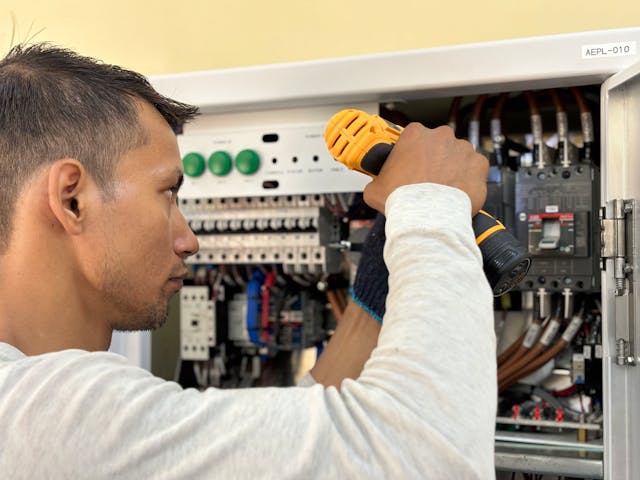
Consistent electrical inspections are vital for every home. By scheduling an inspection with a licensed electrician, you can ensure the system complies with local codes and detect problems such as deteriorating wiring, improper installations, or overloaded circuits. Catching these issues early reduces the likelihood of costly repairs or dangerous situations later, and a professional eye can spot problems homeowners might miss. Inspections should include checking for circuit overloads, ensuring secure grounding, and verifying the safe condition of the electrical panel, outlets, and all accessible wiring.
Regular inspections also help you maintain insurance compliance and safeguard against hidden hazards within walls or in out-of-sight locations. These checks are especially important after renovations, the addition of new appliances, or the purchase of an older home, since older wiring and fixtures may not meet current safety standards. For new homeowners, a thorough inspection is an essential first step toward understanding your home’s electrical layout and its potential risks.
When planning home upgrades or new fixtures, consulting a lighting installation contractor ensures safe, expert work and modern solutions tailored to your needs. A professional contractor will assess your electricity load, help you optimize lighting layouts for both function and safety, and ensure that all installations are up to code. This is especially important for projects involving damp locations, outdoor lighting, or smart home upgrades.
Proper Use of Outlets and Extension Cords
- Avoid Overloading Outlets: Overloading can cause overheating and lead to electrical fires. Distribute high-wattage devices across several outlets, and always pay attention to the maximum capacity of your home’s circuits. Use surge protectors for sensitive electronics, and never plug one extension cord into another, as “daisy chaining” increases the risk of overload and sparks.
- Use Extension Cords Temporarily: Extension cords are not intended as permanent solutions. If you regularly rely on them, it is a sign that you need more outlets professionally installed. Using a permanent extension cord can increase fire risk and damage your home’s circuits. Choose cords rated for the intended load, keep them untangled, and ensure they do not run under carpets, where heat can build up and go unnoticed until a fire risk has developed.
Take care to use extension cords outdoors only if they are specifically designed for exterior use, as these models resist moisture, sunlight, and temperature changes better than indoor cords.
Installation of Ground Fault Circuit Interrupters (GFCIs)
GFCIs act as a crucial barrier between water and electricity, especially in bathrooms, kitchens, laundry rooms, garages, basements, and outdoor installations. With a GFCI, the outlet can detect electrical current imbalances and instantly shut off power before a shock occurs, reducing the risk of life-threatening injuries. It is recommended to test all GFCIs monthly by pressing the test and reset buttons to confirm they are working properly and to ensure ongoing protection.
When installing new outlets in areas where water is present, always opt for GFCI-protected receptacles and weather-resistant covers.
Keeping Electrical Equipment Away from Water
Never place electrical devices near water sources or in damp conditions unless properly rated for such use. Bathrooms, kitchens, laundry rooms, and outdoor areas pose particular hazards, so use only equipment designed to withstand these environments. Use waterproof covers for outdoor outlets and check for moisture before plugging in appliances, especially after heavy rain or snow. In areas like kitchens, ensure cords and appliances remain dry and keep all countertop devices several feet from the sink. Moisture increases the risk of shock and equipment damage, and wet hands should never be used to handle electrical appliances.
Teach children to respect safety zones around water and electricity, and consider using tamper-resistant outlets in homes with young kids. Always unplug appliances before cleaning or servicing them, and let any wet devices dry fully before reconnecting to a power source.
Replacing Damaged Cords and Wiring
Inspect all cords regularly for visible damage such as cracking, fraying, or exposed wires. Pets or furniture can accidentally damage cords, making frequent checks important. Using damaged cords can result in a short circuit, shock, or fire, and cords that feel hot to the touch should be disconnected immediately and checked. Do not attempt to mend cords with tape or temporary fixes, as these are unreliable and can fail without warning. Instead, replace them with certified replacements for assured safety and peace of mind.
When in doubt, discard questionable cords or have an electrician inspect and replace damaged wiring throughout your home. Avoid running cords under rugs or furniture, as this can cause insulation to wear away quickly.
Educating Household Members
Awareness is fundamental in minimizing electrical accidents, especially in households with children or elderly members. Make sure everyone in your home knows basic electrical safety practices, such as not touching electrical devices with wet hands and avoiding contact with exposed wires. Teach children not to stick objects into outlets and to recognize signs of potential danger, such as flickering lights, buzzing sounds, or warm outlets. Everyone should know where the circuit breaker panel is located and how to cut power in an emergency, which can be lifesaving in case an electrical device or outlet begins to spark or overheat.
Conduct periodic safety walkthroughs as a family and practice safety drills so all household members are comfortable responding quickly in emergencies. This education can prevent panic and ensure the right steps are taken to minimize harm.
Upgrading Outdated Electrical Panels
Homes built decades ago often have outdated electrical panels that cannot safely support modern energy demands, leading to overloaded circuits and increased risk of fire. Signs you may need an upgrade include frequent circuit breaker trips, flickering lights, the inability to run multiple appliances simultaneously, and reliance on extension cords. Upgrading to a newer panel enhances the safety and efficiency of your home’s electrical system and allows you to use modern appliances without worry. A new panel, installed by a licensed electrician, also allows for future smart home integrations and higher energy loads for growing families.
Consult with a qualified electrician to discuss your panel and whether surge protection or additional circuits might further improve your system’s reliability and safety for years to come.
Final Thoughts
Practicing electrical safety is a responsibility that can prevent countless accidents and damages. From hiring professionals to inspecting your system and educating household members, these tips form the cornerstone of a secure and worry-free home. Prioritize these measures and consult experts whenever you’re uncertain to protect everyone under your roof. Maintaining electrical safety not only protects your loved ones but also preserves your home’s value and provides lasting peace of mind.