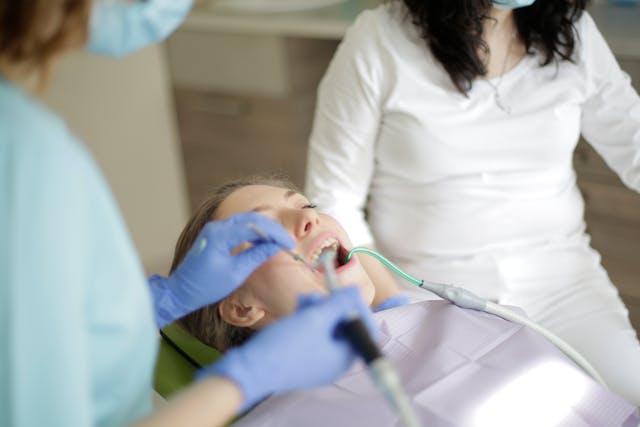
Oral health is a foundational element of overall well-being, impacting far more than just the appearance of your teeth. The mouth serves as a gateway to the rest of your body, affecting everything from nutrition to chronic disease risk. Preventive oral health screenings are vital in spotting issues before they develop into costly, painful, or even life-threatening conditions. These regular appointments provide patients and dental professionals with the opportunity to address concerns early on, ensuring optimal dental health. For example, early identification is especially important for issues like loose teeth, which can be an early warning sign of underlying health risks or advancing gum disease. A seemingly small change in your dental health might be the first indicator of a much more serious condition elsewhere in the body.
Integrating preventive care into your routine dental schedule is one of the most effective strategies for protecting your teeth and gums for years to come. A proactive approach not only stops problems before they start, but also reduces the physical and financial burdens of treating advanced conditions. By committing to regular screenings, you are taking control of your future oral health and setting yourself up for fewer emergencies and less invasive treatments down the line. Ultimately, regular dental visits can make all the difference by creating a foundation for lasting health, self-confidence, and peace of mind.
Preventing Tooth Decay and Cavities
Tooth decay is among the most common chronic diseases worldwide and can affect individuals from childhood through old age. Sugar, acidic foods, and poor brushing habits can all contribute to the growth of harmful bacteria, which can lead to cavities. The focus on prevention is crucial because untreated cavities rarely get better on their own and can eventually lead to significant tooth destruction if ignored. Regular dental exams facilitate early detection, enabling dentists to treat even tiny cavities with simple fillings, thus preventing the need for more invasive procedures such as crowns or root canals. When decay is allowed to progress, it can reach the inner pulp of the tooth, resulting in severe pain and infection, situations that are more complicated, expensive, and time-consuming to fix. Prompt action also preserves the natural tooth and drastically reduces discomfort and the financial impact of extensive dental treatments. In short, preventive screenings help patients maintain strong, healthy teeth and avoid the domino effect of worsening dental issues.
Combating Gum Disease
Gum disease frequently develops without noticeable symptoms, especially in its earliest stages. Gums may bleed slightly or feel tender, but most people dismiss these early warning signs. Gingivitis, the initial form of gum disease, can almost always be reversed with improved oral hygiene and professional care, such as dental cleanings and patient education. Left untreated, however, it may progress to periodontitis, a severe form of gum disease that causes gums to pull away from the teeth, forming pockets that become infected. This stage can result in tooth loss and has been linked to systemic health complications. Researchers have discovered associations between periodontal disease and long-term conditions such as heart disease and diabetes, underscoring the importance of catching gum disease early. Poorly managed gum disease can also impact the immune system and negatively affect pregnancy outcomes. For more information about the connection between oral and systemic health, explore resources from the Centers for Disease Control and Prevention. By prioritizing gum disease screenings and early treatment, patients reduce the risk of more serious problems that affect daily comfort and whole-body wellness.
Oral Cancer Screening
Oral cancer represents a particularly insidious threat because it is often painless in its early stages, leading many patients to overlook or ignore developing symptoms. Risk factors for oral cancer include tobacco use, heavy alcohol consumption, and certain viral infections such as HPV, but anyone can be at risk. Regular dental appointments include quick yet thorough screenings for unusual lesions, persistent sores, red or white patches, or growths inside the mouth, as well as on the lips and tongue. When detected and treated early, oral cancers have significantly higher survival rates because the cancer is contained and more responsive to treatment. According to the American Cancer Society, early detection of oral cancers is a critical factor in effective treatment and improved outcomes. Proactively seeking routine screenings can literally mean the difference between a straightforward intervention and complex, life-altering treatments. Neglecting regular checkups can allow oral cancer to progress unnoticed, ultimately reducing the chances of a positive prognosis.
Enhancing Overall Health
The relationship between oral health and broader systemic health has been well documented over the past decades. Poor gum health, for example, has been linked to an increased risk of cardiovascular disease, stroke, and diabetes. During a standard oral health screening, dentists often identify subtle signs of systemic illnesses. Early symptoms of disorders such as diabetes may first appear in the mouth, including persistent gum inflammation, dry mouth, slow-healing sores, or oral lesions. Sometimes, patients with undiagnosed conditions are referred to their primary care provider for further evaluation, leading to early diagnosis and more effective management of complex health issues. Consequently, preventive oral health screenings act as an early warning system for overall wellness, helping to monitor your body’s health beyond the teeth and gums.
Cost-Effective Care
The financial benefits of preventive oral care are significant and often underestimated by the general public. Managing oral health issues in their earliest stages is almost always less expensive than treating advanced disease. Filling a small cavity, for instance, is drastically cheaper than performing a root canal or requiring tooth extraction and replacement, both of which may also necessitate follow-up visits, restoration work, and additional costs. Preventive screenings also help patients avoid costly dental emergencies, such as severe toothaches, abscesses, or sudden tooth loss, by catching issues before they spiral out of control. Over time, these savings add up, making routine care far more economical than crisis management. For families and individuals alike, investing in routine dental check-ups is a practical and proactive strategy for long-term savings and less interruption to daily life and work.
Improving Quality of Life
Maintaining good oral health contributes to a higher quality of life in many ways that are often taken for granted. Strong, healthy teeth and gums are essential for comfortable eating, enjoyable meals, clear speech, and self-confidence in social or professional settings. Preventive screenings help you enjoy these benefits by preventing dental pain and avoiding complications that disrupt daily life. Addressing dental concerns early also supports better outcomes and greater overall satisfaction, allowing you to focus on the joys of everyday living rather than unexpected dental troubles. With fewer worries about oral discomfort, embarrassment from missing teeth, or complicated treatments, patients can enjoy more freedom, confidence, and vitality each day.
Final Thoughts
Early detection is at the heart of preventive oral health and underpins lasting well-being. Regular dental screenings are invaluable for detecting potential issues before they escalate. By prioritizing preventive care, individuals can protect their smile, save on healthcare costs, and support overall health for years to come. Make regular dental visits a non-negotiable part of your wellness plan for a lifetime of healthy smiles and confidently living life to the fullest.